
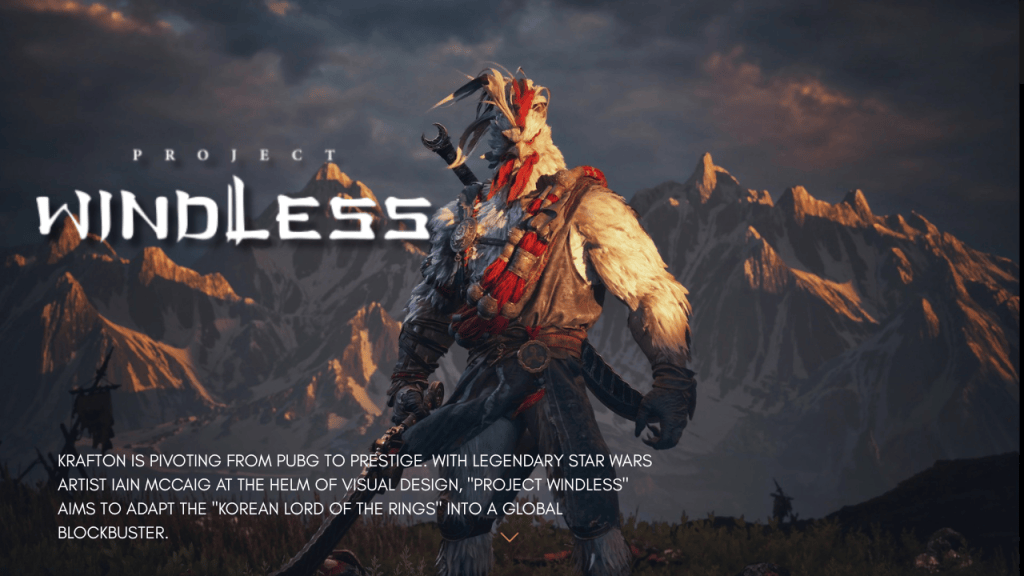
Krafton, the South Korean video game creators, best known for popularizing the battle royale genre with PUBG: Battlegrounds, is shifting gears dramatically. They are trading parachutes and frying pans for a grim, visceral, single-player narrative RPG.
Currently known by its working title, Project Windless, the game is slated to be a massive, sprawling dark fantasy epic. But it is not basing its world on standard Western tropes of elves and orcs. Instead, Krafton is tapping into one of the most beloved and culturally significant fantasy properties in South Korean history: the novel series The Bird That Drinks Tears.
To realize this vision, Krafton has assembled a new internal team (“Team Windless”) and hired huge international talent to ensure this isn’t just another RPG, but a defining moment in the genre.
Here is a deep dive into Project Windless, the minds behind it, and the artistic vision that is already generating massive hype.
The Soul of the Project: The Bird That Drinks Tears
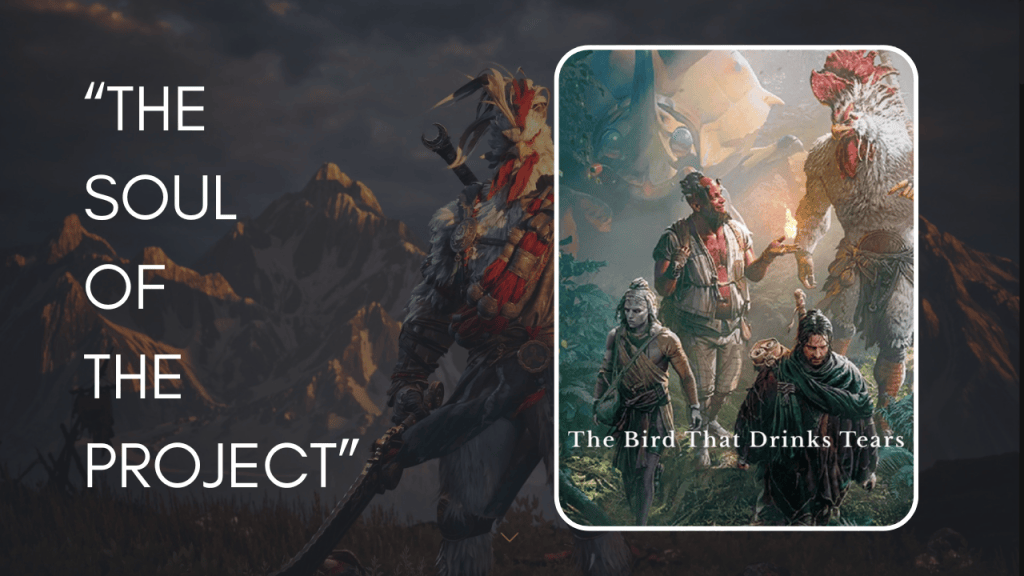
To understand Project Windless, you must understand its source material. The Bird That Drinks Tears (눈물을 마시는 새), written by Lee Yeong-do, is often described as the “Korean Witcher” or “Korean Lord of the Rings,” but these comparisons fail to capture its unique flavor.
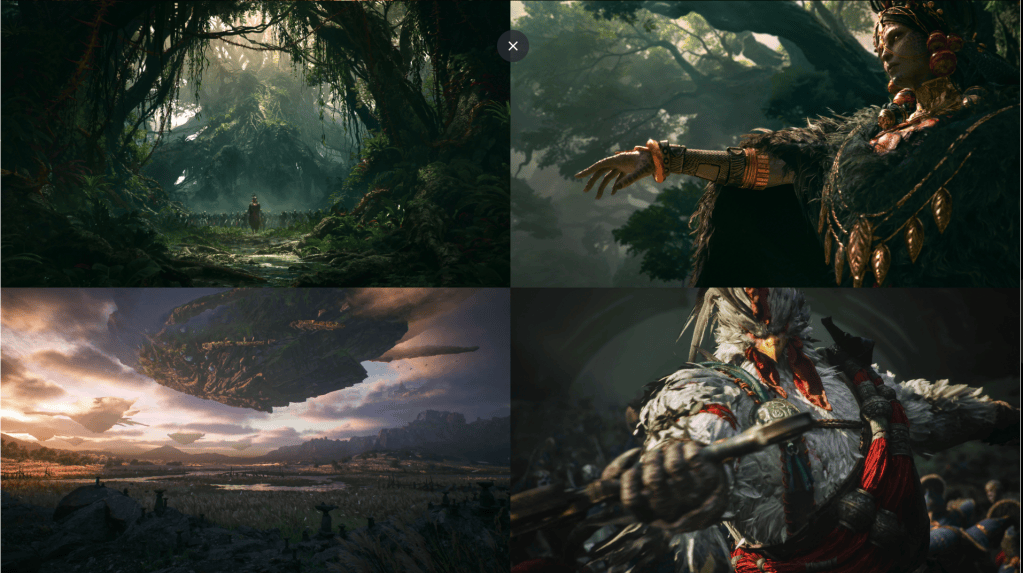
Published in the early 2000s, the novel weaves a complex tapestry of politics, philosophy, and violence, deeply rooted in East Asian folklore rather than European medievalism. The world is populated by four distinct races, each governed by their own gods and rigid cultural rules:
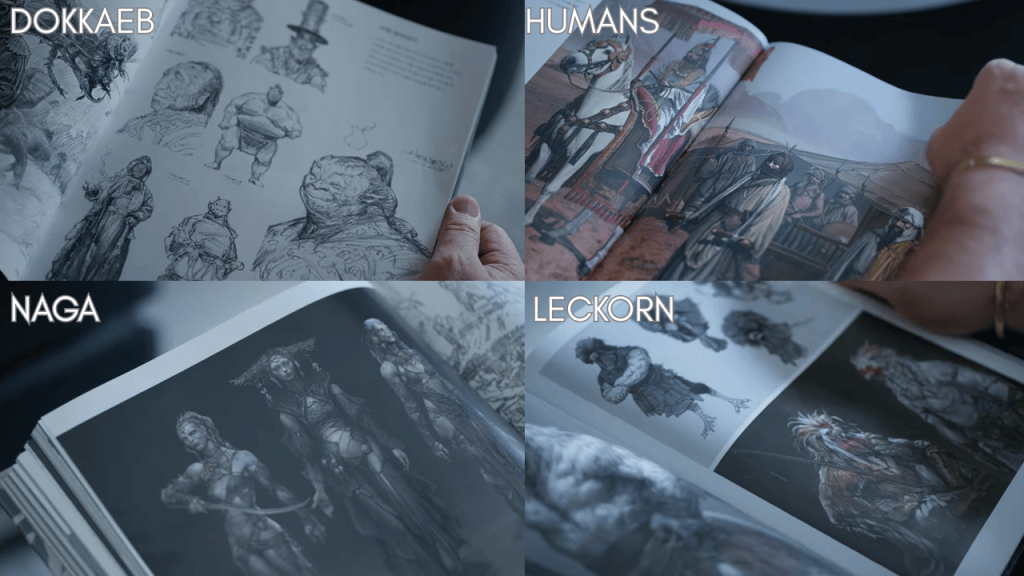
- Humans: The most numerous, yet fragile race.
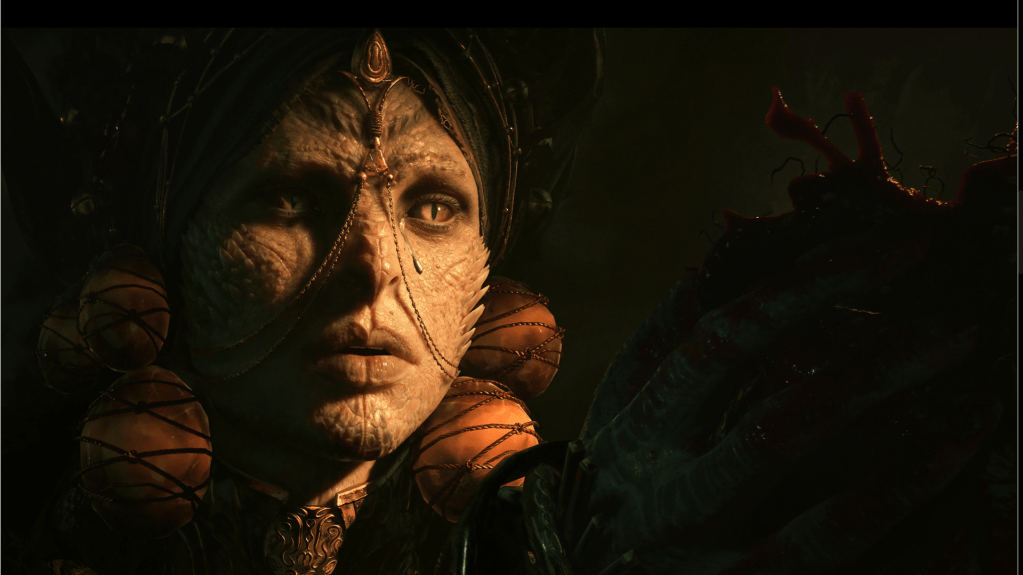
- The Naga: Cold-blooded, telepathic reptile-people who remove their hearts to achieve near-immortality, living in humid jungles.
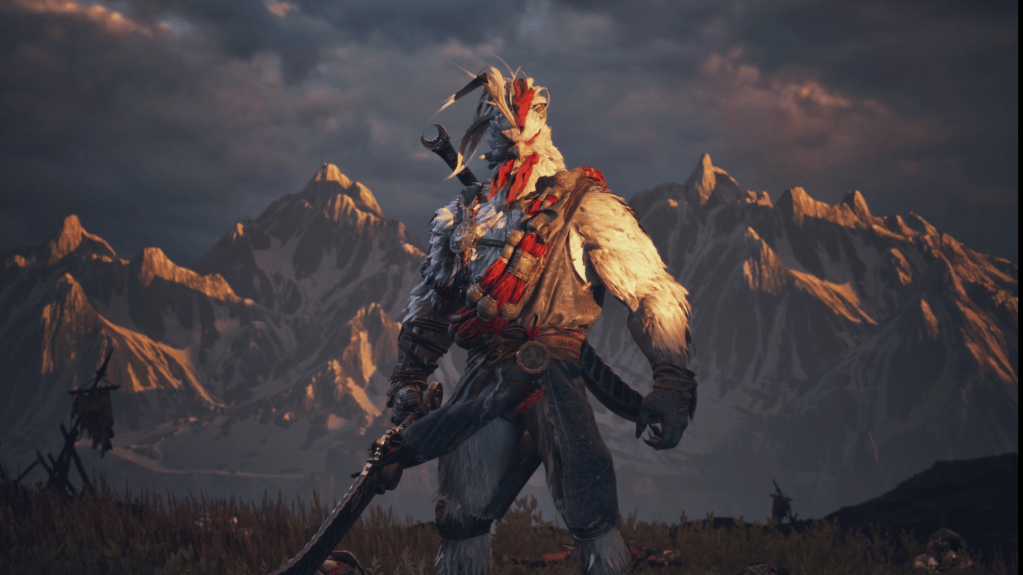
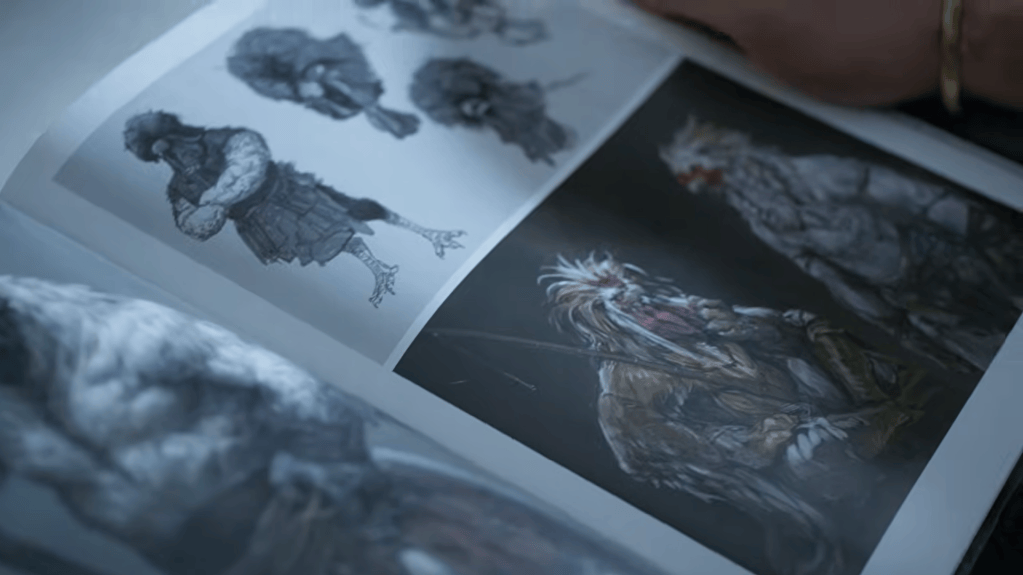
- The Leckorn: Massive, bird-like humanoids with deeply ingrained codes of honor and martial prowess.
- The Dokkaebi: Mischievous, fire-wielding goblins derived from Korean mythology, who live for fun and fear blood.
The narrative is mature, complex, and often brutal. It is a world where morality is grey, and the “heroes” are often deeply flawed outcasts. This rich, untapped mythology is what Project Windless intends to introduce to a global audience.
The Creators: Krafton’s “Project of Heart”
Why is the house that built PUBG taking this risk?
Industry analysts view Project Windless as Krafton’s attempt to secure a “prestige IP.” While multiplayer live-service games generate massive revenue, single-player narrative masterpieces build long-term legacy and studio reputation (think Naughty Dog’s The Last of Us or CD Projekt Red’s The Witcher 3).
Krafton has explicitly stated their goal is to create a global franchise that extends beyond games into movies, comics, and merchandise. To do this, they established “Team Windless,” a studio dedicated solely to adapting Lee Yeong-do’s complex work without the pressure of chasing current multiplayer trends. They are aiming for the highest tier of production value, utilizing Unreal Engine 5 to achieve photorealistic fidelity.
The Visual Visionary: Iain McCaig
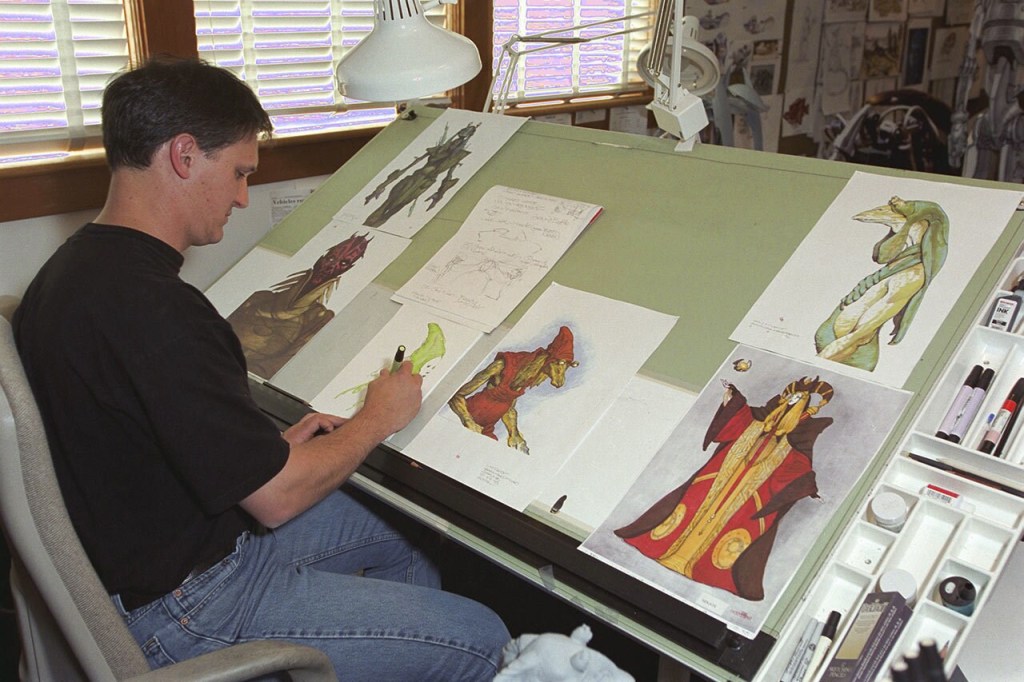
Perhaps the biggest indicator of Krafton’s seriousness was the hiring of Iain McCaig as Visual Director.
McCaig is a legend in the concept art world. He is the man responsible for the iconic designs of Darth Maul and Queen Amidala in Star Wars: Episode I, and has contributed to franchises ranging from Harry Potter to The Avengers.
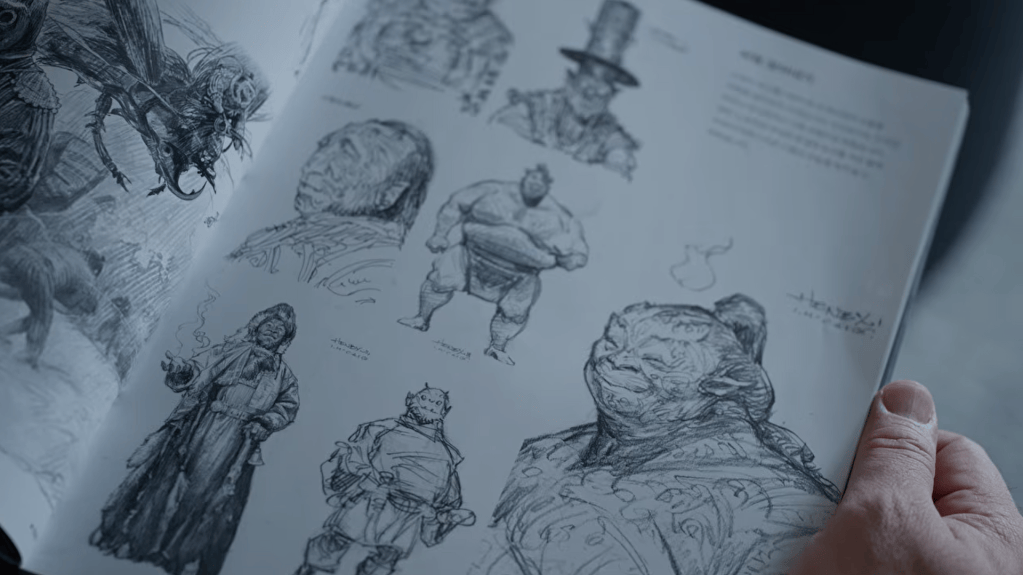
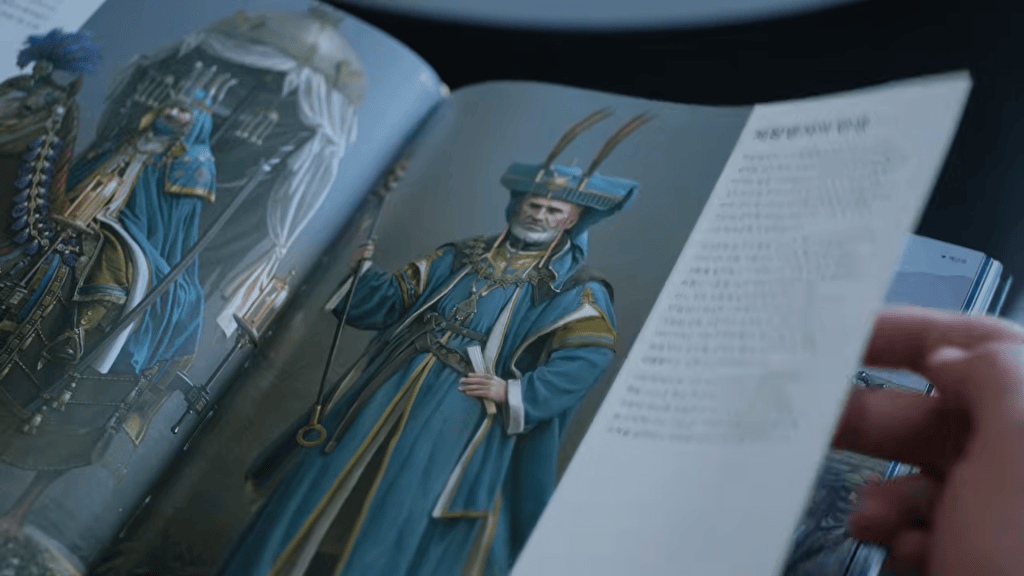
McCaig was brought on not just to draw characters, but to “visualize the unvisualizable.” For two decades, the unique races and creatures of The Bird That Drinks Tears existed only in text. McCaig’s task was to ground these fantastical concepts into a gritty, believable reality.
In early interviews about the project, McCaig expressed his awe at the source material, calling it completely fresh compared to Western fantasy. His approach has been to blend the grotesque with the beautiful.
We saw the fruits of this labor in the official “Visual Concept Trailer” released by Krafton. The trailer depicts a “Nhaga” (Naga) extraction team hunting down a renegade priest who refuses to remove his heart. The visuals are stunningly grim. The Naga are terrifying, slick creatures of pale muscle and scales, moving with predatory grace in a rain-slicked jungle. It looks less like high fantasy and more like a supernatural horror-thriller.
The Road Ahead
Project Windless is still deep in development. Krafton is taking their time, emphasizing that they want to do right by the source material rather than rush a product out.
The game represents a significant moment for Korean game development. Alongside other recent successes like Lies of P and Stellar Blade, Project Windless is part of a major wave of Korean studios moving aggressively into the traditional console, single-player space previously dominated by Western and Japanese developers.
If the final gameplay can match the incredible world-building and the stunning art direction of Iain McCaig, Project Windless won’t just be a great Korean game—it could be the next global fantasy obsession.





Leave a Reply